 Geo
Geo Eng
EngNews
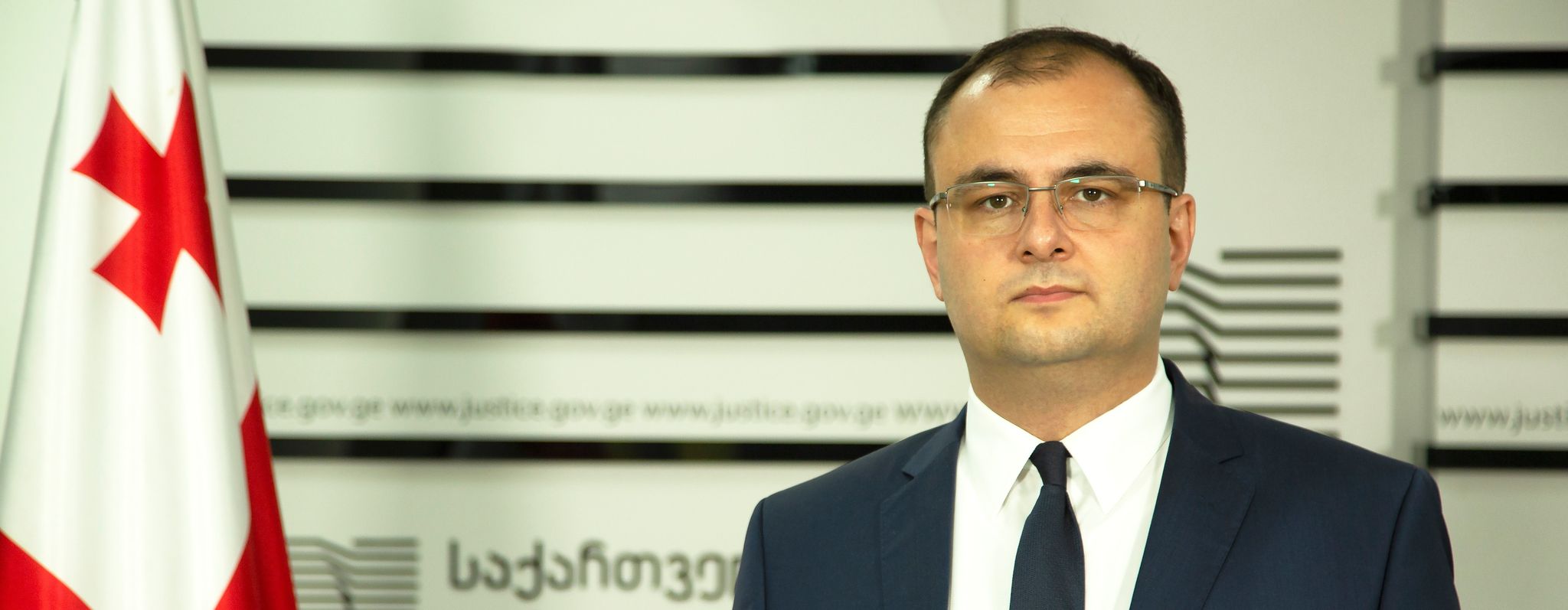
Rati Bregadze: "There Are Shots Where It Is Clearly Visible That the Emergency Vehicle Is Parked Directly in Front of the 18 Facility and Not 30 Meters Away and He Was Taken Straight to the Door of The Facility"
Minister of Justice, Rati Bregadze spoke at the briefing about the transfer of Mikheil Saakashvili to N18 medical institution in Gldani.
According to the Minister, the Penitentiary Service has released footage due to high public interest, where it is clearly visible that the emergency vehicle is parked directly in front of the 18 facility and not 30 meters away, as one of the lawyers said. According to him, Mikheil Saakashvili was taken directly to the door of 18 institution and no one could see him there. Consequently, Saakashvili did not spend any time near the building of prisoners. Rati Bregadze also noted that Saakashvili himself did not obey the lawful request of the penitentiary staff and resisted them:
"This is a very big lie, which we will expose in just a few minutes and it will be clearly visible where the emergency vehicle, in which prisoner Saakashvili was transferred to 18 facility, has stopped, and the public will see that it is parked directly at the entrance of the facility where no one could see him at all. The whole campaign is built on a similar type of petty lie. This is about the torture and inhuman treatment that we allegedly inflicted on this prisoner. We are - I emphasize - the people who cared, care and, of course, will continue to care about the health of the prisoner. Our interest is the stable health condition of all prisoners. I would like to say one more thing - the prisoner himself did not obey the lawful request of our employees when he had to get out of the emergency vehicle and be accommodated in this facility,” said Rati Bregadze.
According to the Minister, since his transfer, Mr. Mikheil Saakashvili has had 179 visitors, he is under 24-hour supervision by doctors. Exactly two days after the transfer, a bank card was issued during non-working hours. He has a TV, and when he ran out of money and wanted a refrigerator, the administration, in good faith, complied with his request.
In addition, emergency vehicle was on duty 24 hours a day, as well as doctors who took care of his health.
A council was set up to work with the penitentiary staff to make certain recommendations that the agency took into account each time. Also, a separate working group has been set up in order to monitor Mikheil Saakashvili’s condition.