 Geo
Geo Eng
EngNews
Rati Bregadze: "Our Interest is Only to Protect the Rights of the Prisoner as Much as Possible and to Stabilize the Health Condition"
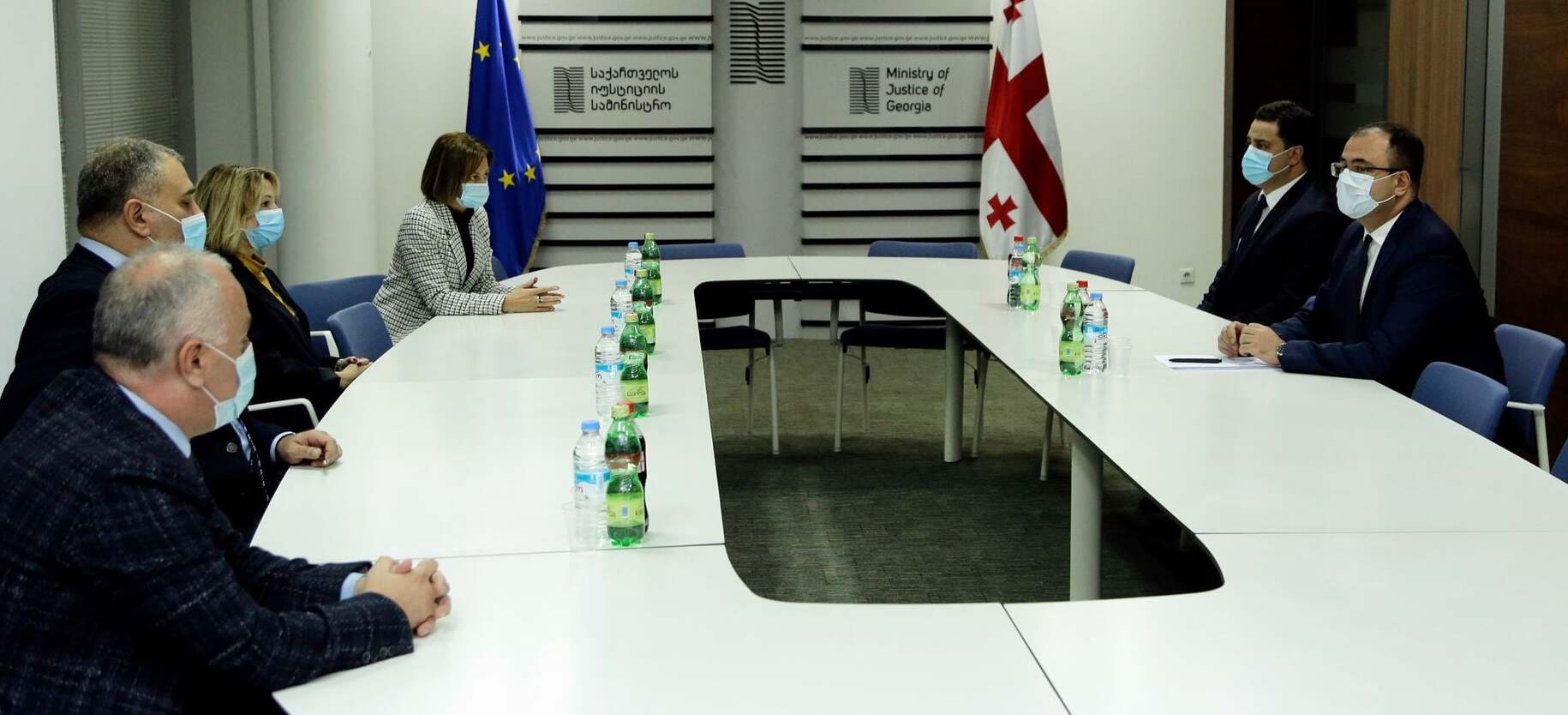
Members of the group monitoring legal and health condition of Mikheil Saakashvili agreed on the working format. Minister of Justice, Rati Bregadze stated about it after the first meeting of the group. According to the Minister, the members of the interagency working group will regularly exchange information and, if necessary, plan concrete steps together.
"As a result of today's meeting, we agreed that within the framework of inter-agency cooperation, we will regularly share information with each other. We have asked the Public Defender to carry out regular monitoring of the legal situation. A multifunctional group of doctors has already been formed and their involvement will depend on the consent of Mikheil Saakashvili himself," said the Minister.
Rati Bregadze emphasized that the Ministry of Justice is interested in protecting the rights of prisoners as much as possible, and ensuring that the health condition is stable.
"Once again, I want to say, we cannot really give anyone the right to mislead the public. All our actions will be adequate. Our only interest is to ensure the rights to be protected as much as possible and that the state of health is stable. Those who are driven by other goals and in this case are participants in a targeted political campaign, we advise to refrain again due to the prisoner's condition," said Rati Bregadze.
According to the Minister, the standard of protection of prisoners' rights in Georgia is high, which is evidenced by today's meeting. For this, he thanked the Prime Minister of Georgia, all the heads of the relevant agencies and each staff member of the Special Penitentiary Service, who care about the protection of the rights of prisoners, as well as all participants in the meeting, who responded immediately to the request of the Ministry of Justice.
Participants of the today’s meeting of the monitoring group were: Chairperson of the Parliamentary Committee on Human Rights and Civil Integration, Mikheil Sarjveladze; Chairperson of the Parliamentary Committee on Health Care and Social Affairs, Dimitri Khundadze; Minister of IDPs from the Occupied Territories, Labor, Health and Social Affairs, Ekaterine Tikaradze; Public Defender, Nino Lomjaria and Head of the Special Penitentiary Service, Nika Tskhvarashvili.