 Geo
Geo Eng
Engსიახლეები
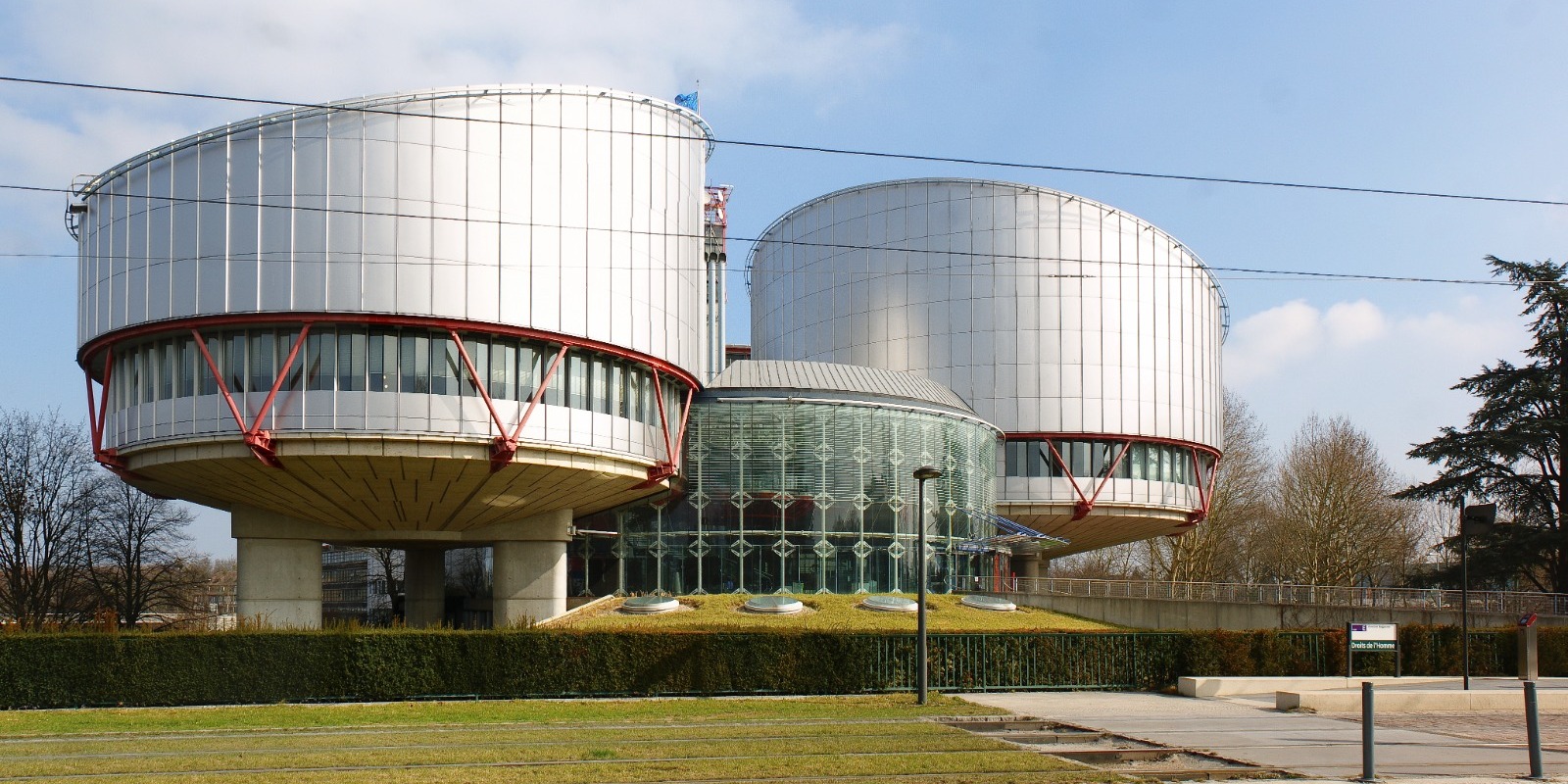
სტრასბურგის სასამართლომ საქართველოს უზენაესი სასამართლოს მოსამართლეების დამოუკიდებლობისა და მიუკერძოებლობის საკითხზე შეტანილი საჩივრები დაუშვებლად გამოაცხადა
ადამიანის უფლებათა ევროპულმა სასამართლომ გაიზიარა იუსტიციის სამინისტროს მიერ შესაბამისი მტკიცებულებებით გამყარებული სამართლებრივი პოზიცია და საჩივრები საქმეზე „ფირცხალავა და Y საქართველოს წინააღმდეგ“, ასევე, „გოგინაშვილი საქართველოს წინააღმდეგ“ დაუშვებლად გამოაცხადა.
ხსენებული საჩივრების ფარგლებში მომჩივნები ამტკიცებდნენ, რომ უზენაეს სასამართლოში მათი საქმეების განმხილველი ერთ-ერთი მოსამართლე იყო მიკერძოებული. ამასთან, ფირცხალავას და Y-ის შეფასებით, მოსამართლე შ.თ. კანონის შესაბამისად არ იყო დანიშნული.
ადამიანის უფლებათა ევროპულმა სასამართლომ გაიზიარა იუსტიციის სამინისტროს არგუმენტი და სამივე საჩივარი მოსამართლის მიუკერძოებლობასთან დაკავშირებით დაუშვებლად გამოაცხადა. გადაწყვეტილებაში სტრასბურგის სასამართლომ მიმოიხილა საქართველოს ხელისუფლების მიერ 2012 წლიდან მართლმსაჯულების სისტემის გაჯანსაღების მიზნით გატარებული რეფორმები. კერძოდ, სხვებს შორის, ყურადღება გამახვილდა ისეთ საკითხებზე, როგორიცაა: მოსამართლეთა უვადო დანიშვნა; მოსამართლეთა დანიშვნისა და დაწინაურების პროცედურების დახვეწა; იუსტიციის უმაღლესი საბჭოს როლისა და ფუნქციური დამოუკიდებლობის გაძლიერება; კონსტიტუციური ცვლილება, რომლის მიხედვითაც, უფრო მეტად დაიხვეწა უზენაესი სასამართლოს მოსამართლეების შერჩევისა და თანამდებობაზე განწესების პროცედურები.
აღსანიშნავია, რომ ირაკლი ფირცხალავას მიმართ მიმდინარე სამართალწარმოება უკავშირდებოდა ბუტა რობაქიძის მკვლელობის ფაქტზე წარმოებულ სისხლის სამართლის საქმეს. ირაკლი ფირცხალავა დამატებით ამტკიცებდა, რომ მისი სისხლის სამართლის პროცესი არასამართლიანად წარიმართა, რადგან მას არ მიეცა შესაძლებლობა, დაეკითხა ყოფილი თანაბრალდებულები და სხვა მოწმეები და ეფექტიანად გაებათილებინა მტკიცებულებები. სტრასბურგის სასამართლომ აღნიშნულ საკითხთან დაკავშირებით დაადგინა, რომ მომჩივნის საქმის სამართლიანი განხილვის უფლების დარღვევის ნიშნებიც კი არ გამოვლენილა. შესაბამისად, ირაკლი ფირცხალავას დამატებითი საჩივრები, როგორც აშკარად დაუსაბუთებელი, დაუშვებლად გამოაცხადა.
სხვა სიახლეები
იუსტიციის მინისტრის მოადგილეებმა იაპონიის ციფრული სააგენტოს დელეგაციას უმასპინძლეს
საქართველოს ვიზიტით ეწვია იაპონიის ციფრული სააგენტოს დელეგაცია, იაპონიის ციფრული ტრანსფორმაციის საპარლამენტო ვიცე-მინისტრის ჰიდეტო კავასაკის ხელმძღვანელობით, რომელმაც შეხვედრა გამართა საქართველოს იუსტიციის სამინისტროს წარმომადგენლებთან. იუსტიციის მინისტრის მოადგილეებმა ლანა მორგოშიამ და თამარ ზოდელავამ იაპონიის დელეგაციას მიაწოდეს ინფორმაცია სერვისების ხელმისაწვდომობისა და გაციფრულების მიმართულებით საქართველოს იუსტიციის სამინისტროს მიერ განხორციელებული რეფორმების შესახებ. საუბარი, ასევე, შეეხო იუსტიციის სამინისტროს საქმიანობის პრიორიტეტებსა და სახელმწიფო სერვისების განვითარების მიმართულებით საქართველოში განხორციელებულ მნიშვნელოვან სიახლეებს.
შეხვედრაზე აღინიშნა, რომ ქვეყნის მასშტაბით საჯარო და კერძო სერვისების მისაღებად მომხმარებლებს მათ საჭიროებებზე ორიენტირებული 127 იუსტიციის სახლი, ხოლო გეოგრაფიული ბარიერის დასაძლევად 90 სოფელს 20 მობილური იუსტიციის სახლი ემსახურება; სერვისები ხელმისაწვდომია პენიტენციურ დაწესებულებებში გახსნილ იუსტიციის სახლებში; 400-ზე მეტი საჯარო და კერძო სერვისის მიღება შესაძლებელია ელექტრონული სერვისების ერთიან პორტალზე MY.GOV.GE; მოქმედებს „გონიერი კონტრაქტი“, რომელიც ხელოვნური ინტელექტის მხარდაჭერით, კერძო საკუთრების რეგისტრაციის დისტანციური საშუალებაა.
ყურადღება გამახვილდა ქვეყანაში განხორციელებულ მიწის სისტემური რეგისტრაციის რეფორმაზე, რომელმაც საერთაშორისო წარმატება მოიპოვა. მსოფლიო ბანკის შეფასებით, მიწის სისტემური რეგისტრაციის ქართული მოდელი მსოფლიო მასშტაბით სამაგალითოა და „საჯარო რეესტრს აქვს მაღალი პოტენციალი იმისთვის, რომ სხვა ქვეყნებს ექსპერტული მხარდაჭერა გაუწიოს“. რეფორმის ფარგლებში საჯარო რეესტრმა ქვეყნის მასშტაბით 59 მუნიციპალიტეტში მოქალაქეთათვის საამზომველო სამუშაოები და მიწის ნაკვეთებზე საკუთრების უფლების რეგისტრაცია უფასოდ განხორციელა.
შეხვედრას ესწრებოდნენ იუსტიციის სამინისტროს საერთაშორისო ურთიერთობებისა და სამართლებრივი თანამშრომლობის დეპარტამენტის ხელმძღვანელი ქეთი სარაჯიშვილი, იუსტიციის სახლის თავმჯდომარე ვახტანგ ჟვანია, სახელმწიფო სერვისების განვითარების სააგენტოს თავმჯდომარე რუსუდან კოხოძე და ციფრული მმართველობის სააგენტოს თავმჯდომარე სანდრო ცირეკიძე.