Hotline2 405 505

News

Monday, 13 June, 2022
Share

Electronic Portal for Scheduling Lawyer's Visit to the Defendant / Convict in a №8 Penitentiary Institution Has Started Functioning

Lawyers who are aware of the need to visit their client will be able to schedule an appointment in advance via electronic portal, ensuring that the meeting between the lawyer and his client is organized and timely.

Lawyers who need to meet with a client unexpectedly and / or for any other reason can not schedule a visit will be able to meet with the defendant / convict through the standard procedure already in place.

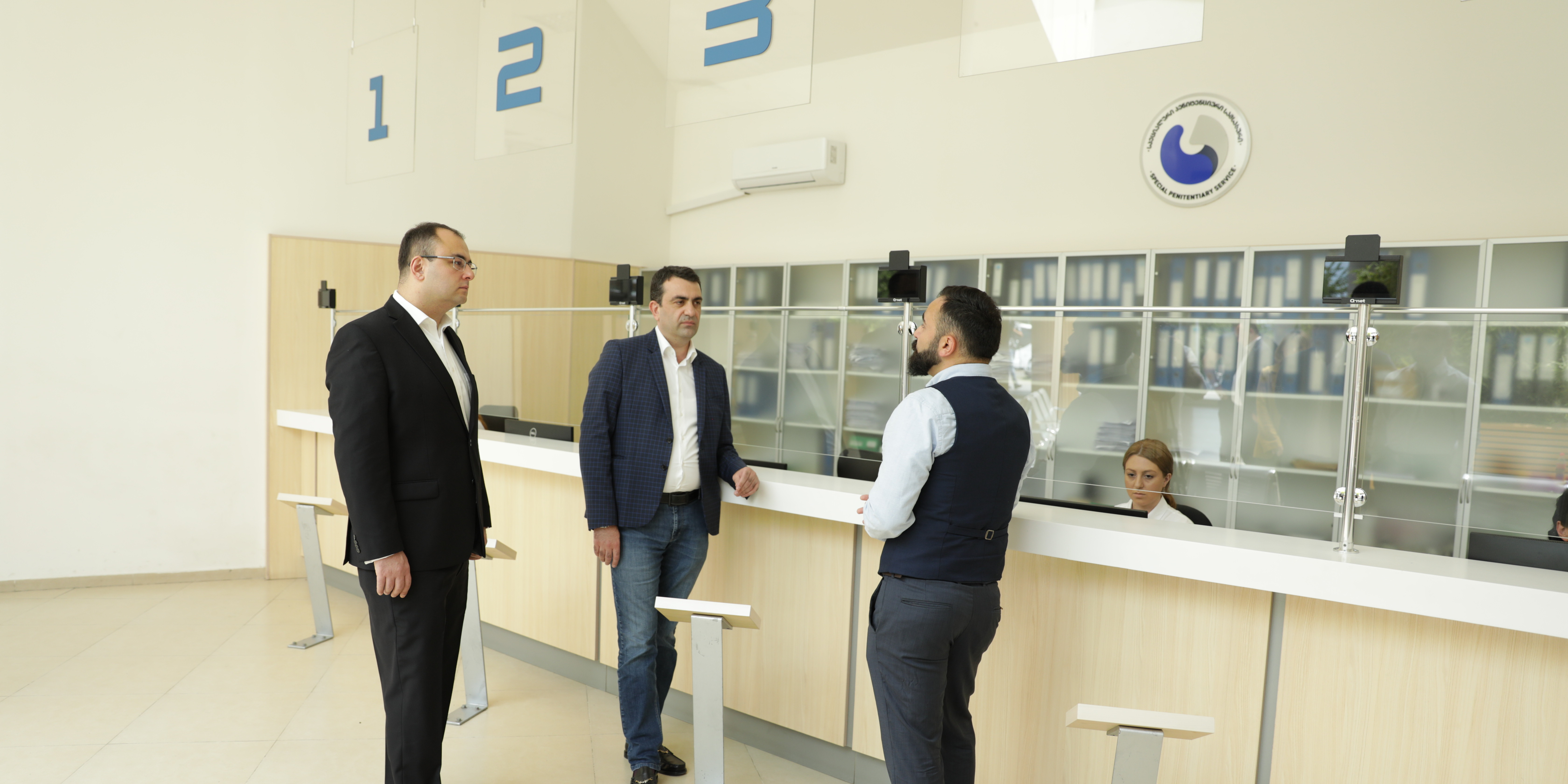
Today, Minister of Justice Rati Bregadze got acquainted with the operation of the electronic booking system in the №8 penitentiary institution together with Chairperson of the Bar Association, Davit Asatiani.

The online booking portal will provide lawyers with more comfort and opportunity to schedule their meeting calendar. Effective use of the portal unloads the so-called “live queue” as well.

The pre-booking electronic portal was implemented by the Bar Association in cooperation with the Ministry of Justice of Georgia and the Special Penitentiary Service with the financial support of the United States Embassy. At this stage, the portal operates in #8 penitentiary institution in pilot mode.

The address of the pre-booking electronic portal is: https://penitentiary.gba.ge ; In addition, the hotline can be reached at: 511 10 30 97.

Other News

Share
Print

According to the Strasbourg Court, Publicly Made Insulting, Obscene, and Degrading Statements Fall Outside the Scope of Freedom of Expression

The European Court of Human Rights in Strasbourg upheld the position of the Ministry of Justice in the case of Miladze v. Georgia, confirming that publicly made insulting, obscene, and degrading statements directed at public officials are not protected under the right to freedom of expression.

The case concerned a video published on the social media platform TikTok in 2022, in which the applicant, civil activist Irakli Miladze, used obscene and insulting language toward the Mayor of Tbilisi, City Hall employees, and police officers. As a result, the national courts imposed a fine of 500 GEL, the minimum penalty provided for by law.

The Strasbourg Court unanimously held that the applicant’s statements did not amount to political criticism or the expression of views on a matter of public interest. According to the Court’s assessment, the language used was intended primarily to humiliate and insult public officials.

The Court also agreed with the reasoning of the national courts, noting that they had properly distinguished between harsh political criticism, which is protected in a democratic society, and personal insults, which are not. The judgment further emphasized that the sanction imposed on the applicant was minimal and proportionate, as he received only the lowest fine available under the law.

Today’s ruling by the Strasbourg Court reaffirmed an important principle: freedom of expression is one of the fundamental values of a democratic society and protects even strong and offensive criticism; however, it does not extend to humiliating or personally insulting statements directed at others, including public officials and civil servants.

The judgment further underscores that the state is entitled to protect political officials and public servants from unjustified verbal abuse and insults, ensuring that they are able to perform their duties in an environment free from attacks that undermine their dignity.

The Court’s assessment once again highlights the fundamental importance of freedom of expression, while clearly establishing that the exercise of this right — particularly on the internet and social media platforms — must not infringe upon the dignity and rights of others.