 Geo
Geo Eng
EngNews
According to the European Committee for the Prevention of Torture, no Cases of Ill-treatment Were Recorded in Georgian Prisons
On 18 February 2026, the follow-up report on the visit of the European Committee for the Prevention of Torture and Inhuman or Degrading Treatment or Punishment (CPT), operating under the Council of Europe, was published.
The CPT positively assessed the level of cooperation received during the visit, noting that the delegation was provided with full support by both the leadership of the Ministry of Justice and the Penitentiary Service, as well as by the staff of the penitentiary institutions. The Committee emphasized that the delegation was able to visit all relevant facilities without hindrance, access the requested documentation, and conduct private interviews with prisoners. This, once again, confirms the transparency of the Georgian penitentiary system.
According to the report, the delegation did not receive any allegations or information regarding physical violence or ill-treatment of prisoners by staff. On the contrary, the CPT noted the existence of generally positive and calm relations between prison staff and inmates.
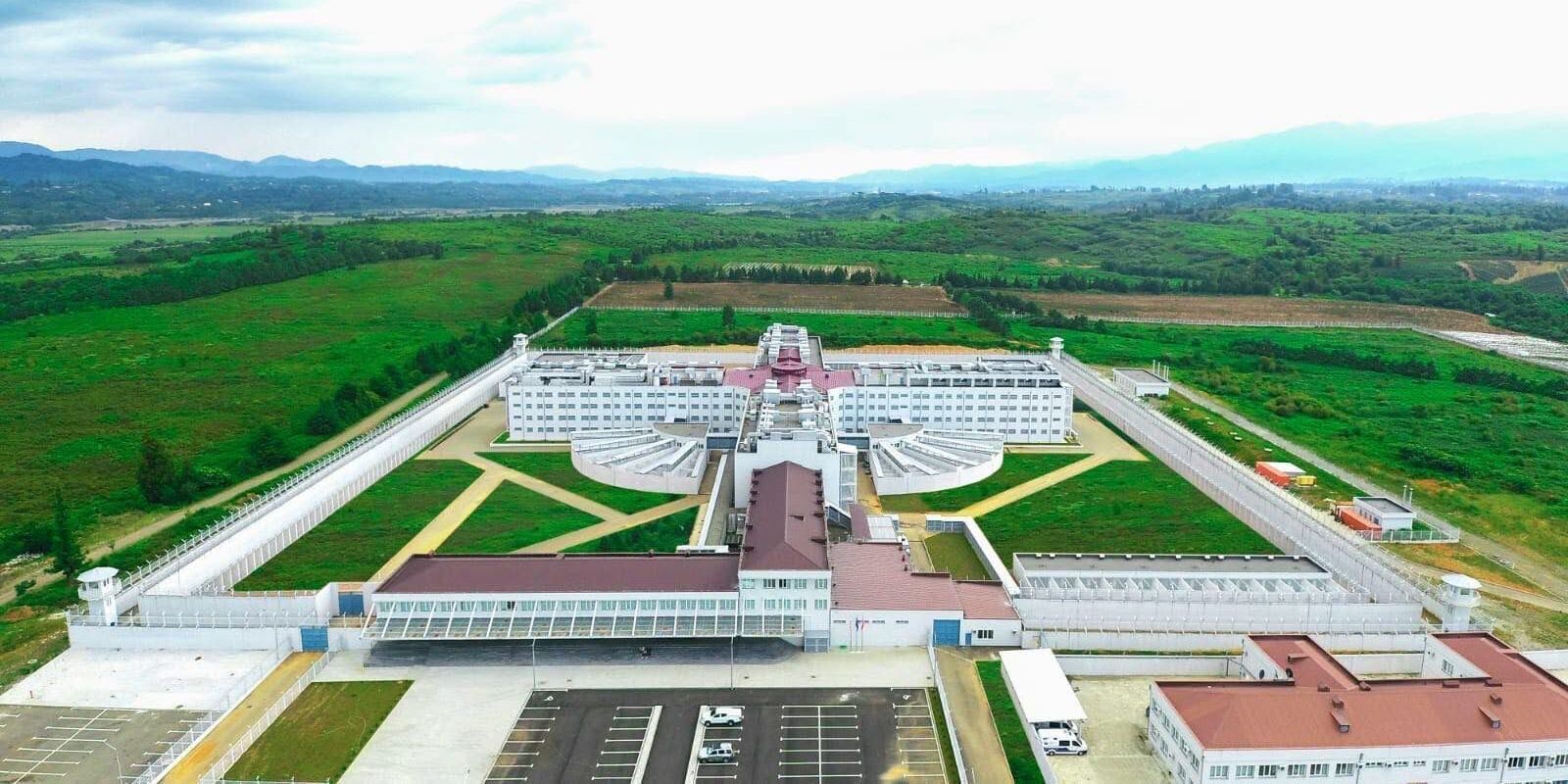
The Committee also positively assessed the conditions in the new penitentiary facility opened in Laituri township. The modern facility, designed to accommodate 700 inmates, is fully adapted to meet the needs of both remand and sentenced prisoners, as well as the institution’s staff. The CPT was further informed that a new small-scale penitentiary facility with a capacity of 150 inmates will be opened in the near future.
The health care system within the penitentiary service was likewise positively evaluated. The report notes that remand and sentenced prisoners are provided with 24-hour medical care, and that all institutions ensure prompt access to first aid services.
With regard to the recommendations contained in the report, the CPT emphasized the importance of increasing out-of-cell activities and expanding resocialization and rehabilitation programs, strengthening mechanisms for preventing and responding to inter-prisoner violence, and further improving the working conditions of penitentiary staff. Detailed information on both implemented and planned measures in response to these recommendations has been submitted to the Committee and is publicly available alongside the CPT report.
In addition to the CPT’s conclusions, statistics of the European Court of Human Rights serve as a further indicator of the effectiveness of reforms in the Georgian penitentiary system and the high standard of protection of prisoners’ rights. According to these statistics, since 2012, no case originating from the Georgian penitentiary system and submitted to the Strasbourg Court has been declared admissible.
The CPT delegation visited Georgia from 18 to 29 November 2024 and from 21 to 22 January 2025.