 Geo
Geo Eng
EngNews
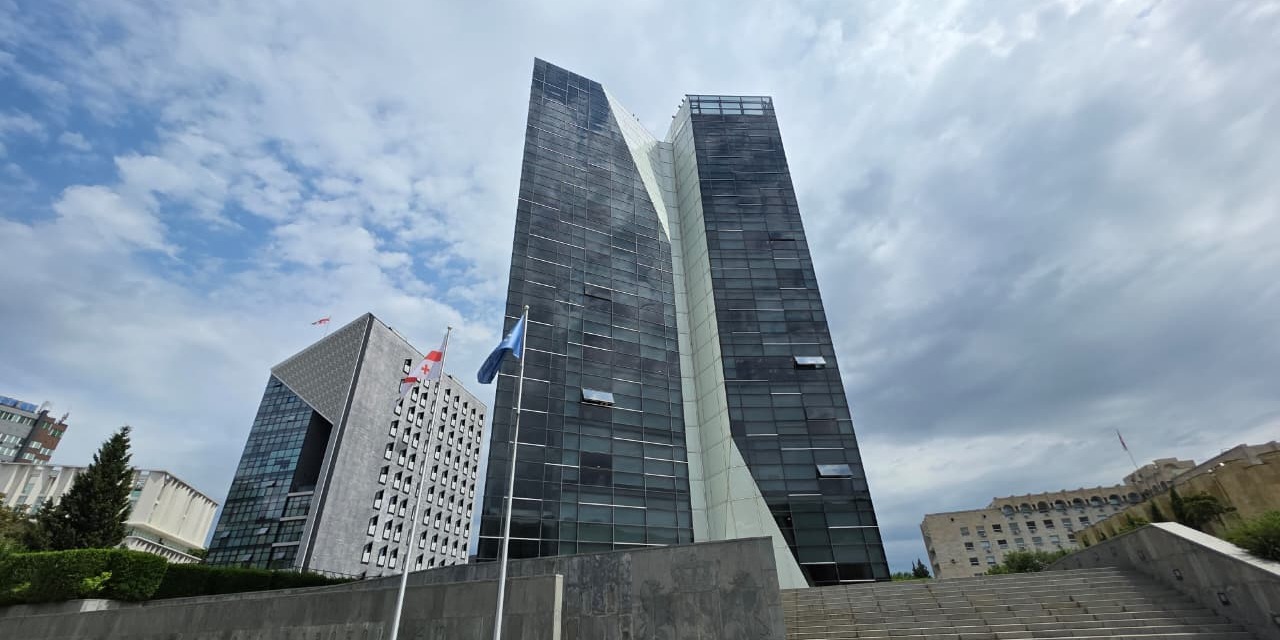
Russia Ordered to Pay Over 253 Million Euros in Compensation to Georgia in the Case of Continued Occupation
The European Court of Human Rights has ordered the Russian Federation to pay €253,018,000 in compensation to Georgia in the case Georgia v. Russia (IV) concerning the continued occupation of Georgian territories.
On October 14, 2025, the Court in Strasbourg delivered its judgment on just satisfaction. Having examined the complex legal arguments and extensive evidence submitted by the Government of Georgia, the Court ordered the Russian Federation to pay compensation to more than 29,000 affected Georgian citizens.
As is known to the public, on April 9, 2024, the Court held Russia fully responsible for the mass harassment, unlawful detention, physical attacks, killings, and the official tolerance of such actions against the Georgian population in the occupied territories and along the occupation line. These violations occurred in the context of the ongoing occupation of Georgian territories and the process of so-called “borderization.”
Today’s judgment represents a continuation of Georgia’s historic legal victories before the European Court of Human Rights. In the deportation case (Georgia v. Russia I), related to the mass expulsion of ethnic Georgians from the Russian Federation, the Court ordered Russia to pay €10 million in compensation for the large-scale deportations and the gross violations of human rights. In the August War case (Georgia v. Russia II), concerning the events of the 2008 war and its aftermath, the Court ordered Russia to pay €130 million for the widespread human rights violations committed against Georgian citizens.
Although the Russian Federation is no longer a member of the Council of Europe, it remains legally bound to implement the judgments of the Court and is subject to accruing fines for each day of non-compliance.
The enforcement of these judgments is being actively pursued within the framework of the Committee of Ministers of the Council of Europe, with the full engagement of the Government of Georgia.
The Ministry of Justice of Georgia expresses its appreciation to all state agencies involved in the preparation of evidence and congratulates the people of Georgia on this historic achievement.